The River Thames
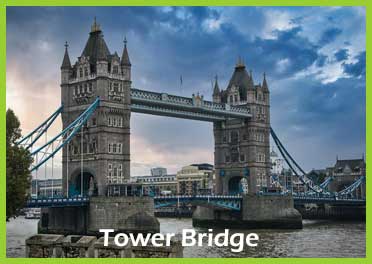 The River Thames is one of the most important physical features in London. It flows through the city from west to east before reaching the North Sea. The river has played a huge role in shaping London and helping it grow into the capital city it is today.
The Thames helped London develop because:
- Boats could carry food, building materials, and goods into the city
- People could travel easily between places by water
- Fresh water was available for early settlements
As London grew, many bridges were built to cross the river and connect different parts of the city. Famous bridges include Tower Bridge, Westminster Bridge, and London Bridge, which are now important landmarks as well as transport routes.
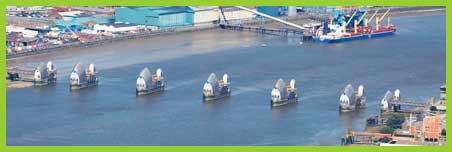
London is sometimes at risk of flooding because it is close to the sea. To help protect the city, the Thames Barrier was built. This giant barrier can be raised to stop high tides and storm surges from flooding homes, roads, and important buildings.
- The River Thames is about 215 miles (346 km) long.
- The River Thames has over 200 bridges crossing it along its length.
- The River Thames flows through more than 45 locks, which help control the water level and allow boats to travel safely along the river.
- Long ago, the River Thames used to freeze in winter, and people even held fairs and games on the ice.
What is London like today?
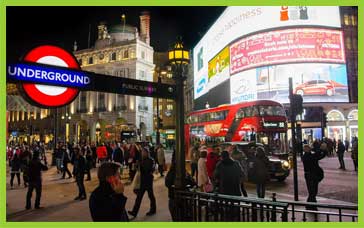 London is a large, busy city where millions of people live, work, and visit every day. It is full of tall buildings, busy roads, shops, schools, homes, and famous landmarks. Red buses, underground trains, and taxis help people travel around the city.
Some parts of London are very crowded, with lots of buildings close together. Other areas have plenty of green spaces where people can enjoy fresh air and nature. Even though London is a huge city, it has many famous parks such as Hyde Park, Regent’s Park, and Greenwich Park, where people can walk, play, and relax.
London is also a very multicultural city, meaning people from many different countries and cultures live there. This makes London an exciting place with lots of different foods, languages, and traditions.
The city is always changing and growing. New buildings are built, old ones are improved, and new homes and transport routes are added to meet the needs of the people who live there.
Landmarks of London
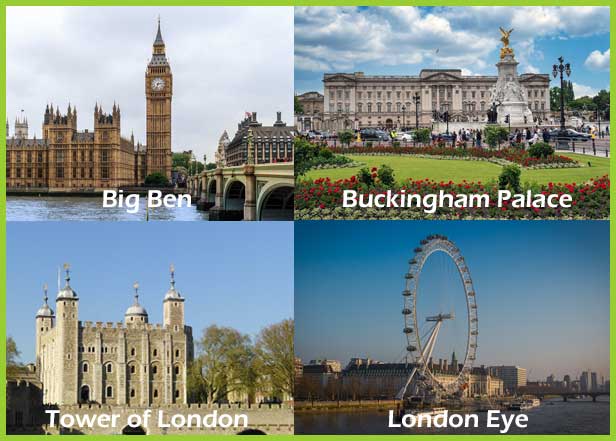 Landmarks are special buildings or places that help people recognise a city. They are often famous because of how they look, what happens there, or their importance in history. London has many well-known landmarks that people from all over the world come to see.
Some of London’s most famous landmarks include:
- Big Ben – the large clock tower next to the Houses of Parliament. It is one of the most recognisable symbols of the UK.
- Buckingham Palace – the official home of the King in London, where important events and celebrations take place.
- The Tower of London – a historic castle that has been used as a palace, prison, and place to keep the Crown Jewels.
- The London Eye – a giant observation wheel on the River Thames that gives amazing views across the city.
Landmarks help tourists find their way, make cities easier to remember, and show what makes a place special. They are often found on maps and postcards because they represent the city’s identity.
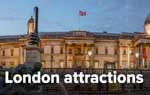 Visit London
Discover your ultimate guide to London... from the best activities in the city to top restaurants, bars, hotels, theatre shows, musicals, attractions and more.
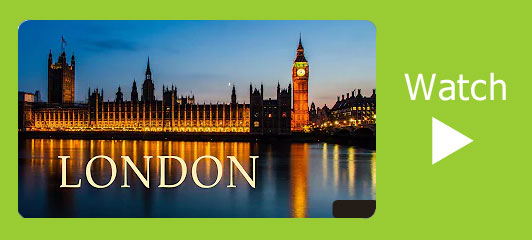

Transport in London
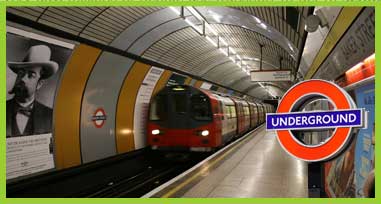 London is a very large and busy city, so it needs a good transport system to help people travel from place to place. Every day, millions of people use transport to get to school, work, shops, hospitals, and attractions.
London has many different types of transport, including:
- Buses – red buses travel all over the city and are a famous sight in London.
- Trains – trains connect London to other towns and cities across the UK.
- Roads – cars, taxis, and bicycles use London’s roads to move around.
- The Underground (the Tube) – a railway system that runs underneath the city, helping people travel quickly without using busy roads.
The Tube is especially important because it helps people travel long distances across London in a short amount of time. Many Londoners also walk or cycle for shorter journeys, which helps reduce traffic and pollution.
Good transport helps a city work properly by keeping people connected and making travel easier and faster.
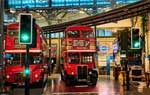 London Transport Museum
Visit London Transport Museum in Covent Garden to discover 200 years of groundbreaking design and innovation, and the remarkable personal stories behind our transport history.
 London Underground Tube Map
Map of the London underground tube station locations and lines.
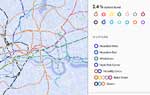 London Metro Memory
How many of the London Tube stations can you name from memory?
London's weather and climate
London has a temperate climate, which means the weather is usually mild and not too extreme. It does not often get very hot or very cold, making it a comfortable place to live for most of the year. Like the rest of the UK, London’s weather changes with the seasons.
- Summer – The weather is usually warm and sometimes sunny, though it can still rain.
- Autumn – Temperatures begin to cool, leaves fall from trees, and rainfall becomes more common.
- Winter – It can be cold and frosty, with short days and long nights. Snow is possible but not very common.
- Spring – The weather becomes milder, flowers start to grow, and there are sunny days mixed with showers.
Because London is near the coast and built along the River Thames, heavy rain can sometimes cause flooding, especially when river levels rise. This is why London has flood protection systems like the Thames Barrier to help keep the city safe.
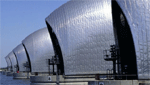 Thames Barrier - London
Visit London biggest defence towards floods. To learn more about how the barrier works visit the government website for the Thames Barrier.
Living in London
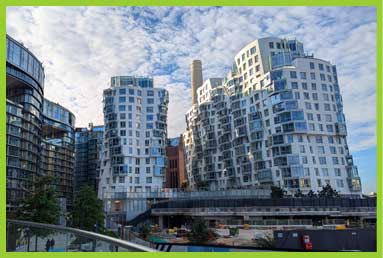 Millions of people live in London, making it one of the largest cities in the UK. Because so many people live in a small area, London has many different types of homes. Some people live in houses, while others live in flats or tall apartment buildings where lots of families share the same space.
London is a place where people live, work, and learn. The city has:
- Schools and universities
- Hospitals and doctors’ surgeries
- Shops, offices, and markets
- Workplaces in transport, tourism, government, and business
Because London is so busy, it can feel noisy and crowded, especially in the city centre. However, many neighbourhoods have parks, playgrounds, and quiet streets, giving people space to relax. Good transport links help people travel across the city to get to school, work, and home.
Living in a city like London can be exciting because there is always something happening, but some people prefer the peace and space of the countryside instead.
London and the rest of the UK
London is strongly connected to the rest of the United Kingdom, making it the country’s main transport and travel hub. From London, people can easily travel to other major cities using roads, railways, and airports.
Fast trains travel from London to cities such as Manchester, Birmingham, Cardiff, and Edinburgh, helping people move across England, Wales, and Scotland. Major motorways also begin in or near London, allowing cars and lorries to transport people, food, and goods to different parts of the UK.
London is also home to several large airports, including Heathrow, Gatwick, and Stansted. These airports help people travel both within the UK and around the world, bringing visitors, tourists, and businesses into the country.
Because London is so well-connected, it plays an important role in trade, travel, and communication. Goods can be moved quickly, people can reach important places easily, and ideas and information can spread across the country.
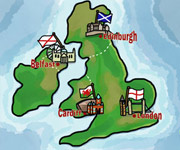 United Kingdom
Learn about the United Kingdom. Find out the four countries that make up the UK, England, Scotland, Wales and Northern Ireland.
See their flags, major cities and famous landmarks.
Also on Super Brainy Beans