Renewable and non-renewable energy
Energy powers our world. It gives us electricity for lights and computers, heat for our homes and fuel for transport.
There are two main types of energy sources: non-renewable and renewable.
Non-Renewable Energy
Non-renewable energy comes from fuels that take millions of years to form. These are called fossil fuels and include:
- Coal
- Oil
- Natural gas
Fossil fuels were formed from ancient plants and animals buried underground. Because they take so long to form, they will eventually run out.
Burning fossil fuels releases carbon dioxide, a gas that contributes to climate change and air pollution.
Renewable Energy
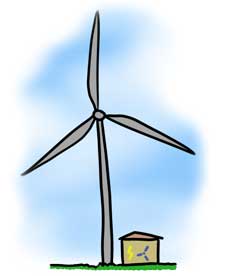 Renewable energy comes from sources that will not run out because they are naturally replaced.
Examples include:
- Solar energy (from the Sun)
- Wind energy
- Hydroelectric energy (moving water)
Renewable energy usually produces less pollution and is better for the environment. Many countries are increasing their use of renewable energy to reduce damage to the planet.
Composting
Composting is a natural process that turns food scraps and garden waste into rich, healthy soil called compost.
When fruit and vegetable waste breaks down, tiny living organisms such as bacteria, fungi and worms help to decompose it. Over time, the waste changes into dark, crumbly compost that can be used to help plants grow.
You can compost:
- Fruit peels
- Vegetable scraps
- Leaves
- Grass cuttings
- Tea bags (without plastic)
Composting is helpful because it:
- Reduces the amount of waste sent to landfill
- Returns nutrients to the soil
- Helps plants grow naturally
It is a great example of how nature recycles materials.
 Eco-cycle
Sort materials correctly and win fun items to build your own digital park in this waste sorting game.
Plastic and the environment
Plastic is a very useful material. It is strong, light and waterproof. However, most plastics do not break down easily.
If litter is not cleared up, it can damage the environment. Broken glass can injure people and animals. Plastic can be a choking hazard or trap wildlife. Litter left in natural habitats can pollute the land and wash into rivers and seas.
Many materials can be recycled instead of thrown away, including:
- Plastic
- Paper
- Glass
- Metal
- Food and garden waste
Recycling helps reduce the amount of rubbish buried in landfill sites. Waste in landfill can take a very long time to rot.
For example:
- A plastic bag can take 10–20 years to break down.
- Disposable nappies can take around 450 years.
- A glass bottle can take up to 1 million years.
That means some rubbish lasts far longer than a human lifetime.
Plastic in the ocean
When plastic reaches rivers and oceans, it can cause serious harm.
Plastic in oceans can:
- Injure or kill marine animals
- Be eaten by fish, birds and turtles
- Break into tiny pieces called microplastics
Microplastics are very small plastic pieces that can enter the food chain.
 Plastic Planet
Match 3 or more colour balls to burst them and rescue trapped marine life by freeing them with your coloured balls.
 Clean the ocean
Play and enjoy the amazing ocean cleaning by finding hidden objects.
Also on Super Brainy Beans