Environment Year 5 & 6

Environment for kids

Environment

Environment
Year 5 & 6

Environment Year 5 & 6 homework help. Learning KS2 Science at Primary School. Learn about pollution, climate change and our carbon footprint.

Pick a level

What is pollution?

Pollution happens when harmful substances enter the environment and cause damage to air, water or land. These harmful substances are often the result of human activity.

Pollution does not always stay in one place. It can travel through the air, flow through rivers or soak into the ground. Because everything in the environment is connected, pollution can affect plants, animals and humans.

There are several main types of pollution:

  • Air pollution
  • Water pollution
  • Soil (land) pollution

Common causes include factories, cars, burning fuels, chemicals and poorly managed waste.

Air pollution

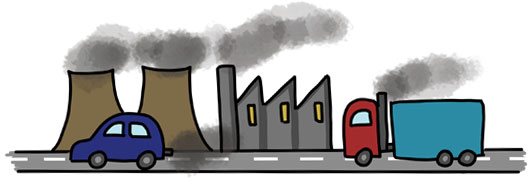
Air pollution occurs when harmful gases and particles are released into the atmosphere.

Common sources include:

  • Car exhaust fumes
  • Factory emissions
  • Burning fossil fuels such as coal, oil and gas
  • Smoke from fires

When fossil fuels are burned, they release gases such as carbon dioxide, nitrogen oxides and sulfur dioxide. Some of these gases contribute to climate change, while others can cause acid rain.

Air pollution can:

  • Cause breathing problems such as asthma
  • Irritate eyes and lungs
  • Harm wildlife
  • Damage buildings over time

Tiny particles in polluted air, called particulate matter, can enter our lungs when we breathe.

Water pollution
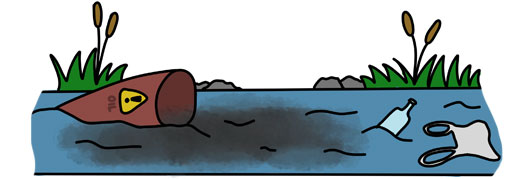
Water pollution happens when harmful substances enter rivers, lakes, seas or groundwater.

Water can become polluted by:

  • Chemicals from farms or factories
  • Oil spills
  • Plastic waste
  • Sewage and wastewater

When chemicals enter water, they can make it unsafe for animals and humans. Oil spills coat the surface of the water, preventing oxygen from reaching marine life. Plastic waste can trap animals or be eaten by mistake.

Polluted water can:

  • Kill fish and aquatic plants
  • Disrupt food chains
  • Contaminate drinking water supplies

Because water moves through the water cycle, pollution can spread far from where it first entered.

Soil pollution
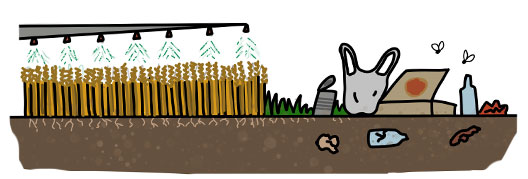
Soil pollution (also called land pollution) occurs when harmful substances contaminate the ground.

Soil can be polluted by:

  • Industrial chemicals
  • Pesticides used in farming
  • Heavy metals
  • Litter and landfill waste

Healthy soil is essential for growing crops and supporting plant life. It contains nutrients and living organisms that help plants grow. When soil is polluted, it can reduce crop production and allow harmful substances to enter the food chain.

Polluted soil can also affect animals that live underground, such as worms and insects, which are important for keeping soil healthy.
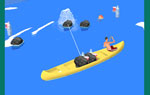
How we affect the environment gameHow do human beings affect the environment?
See how we make a positive and negative affect on our environment.
Why reducing pollution matters

Reducing pollution is important because it protects human health, wildlife, entire ecosystems and even future generations. Polluted air can cause breathing problems, contaminated water can spread disease, and damaged soil can affect the food we grow. When pollution harms one part of the environment, the effects can spread through food chains and habitats, impacting many living things — including us.

Taking action to reduce pollution helps keep our planet cleaner and safer. We can make a difference by:

  • Using renewable energy where possible
  • Walking or cycling instead of always travelling by car
  • Reducing, reusing and recycling waste
  • Avoiding single-use plastics

Even small changes in our daily lives can have a positive impact. By understanding pollution and its effects, we can make better choices and help create a cleaner, healthier planet for everyone.

Global Warming video

Free online Science games

Climate change

Climate change is the long-term change in Earth’s average temperature and weather patterns. While the climate has changed naturally over millions of years, scientists have found strong evidence that recent changes are happening much faster because of human activity.

One major cause of climate change is the burning of fossil fuels such as coal, oil and gas. When these fuels are burned to power cars, factories and power stations, they release greenhouse gases into the atmosphere. The most common greenhouse gas is carbon dioxide (CO₂).

Greenhouse gases trap heat in Earth’s atmosphere. This process is known as the greenhouse effect. The greenhouse effect is natural and necessary — without it, Earth would be far too cold for life. However, adding extra greenhouse gases makes the planet warmer than it should be.
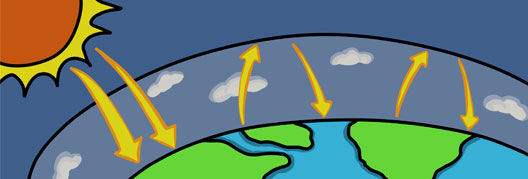
Since the late 1800s, Earth’s average temperature has risen by about 1°C. That may not sound like much, but even small temperature changes can have big effects.

As the planet warms, ice caps and glaciers melt, which causes sea levels to rise. Warmer oceans and air can also lead to more extreme weather, including stronger storms, heatwaves and heavy rainfall. Climate change can affect habitats, food production and water supplies across the world.
A tree with rainBBC Bitesize - How do humans affect the environment?
Humans affect the environment in positive and negative ways. Watch the video then answer questions on what these things are.

Carbon footprints

A carbon footprint is the total amount of carbon dioxide released into the atmosphere because of our actions. Every time we use energy, travel or buy products, we create a carbon footprint.

For example, travelling by car or plane burns fuel and releases carbon dioxide. Using electricity generated from fossil fuels also adds greenhouse gases to the atmosphere. Even wasting food increases our carbon footprint, because energy and resources were used to grow, transport and package it.

In the UK, the average person produces several tonnes of carbon dioxide each year. Globally, billions of tonnes of CO₂ are released annually.

We can reduce our carbon footprint by walking or cycling instead of always using a car, saving electricity at home, eating seasonal food and recycling materials so fewer new products need to be made. Small daily choices, when multiplied by millions of people, can make a meaningful difference.

Sustainability

Sustainability means meeting our needs today without preventing future generations from meeting theirs. It is about balance — using resources carefully so they do not run out.

This includes using renewable energy, protecting forests and oceans, reducing pollution and avoiding waste. Forests are especially important because they absorb carbon dioxide from the atmosphere. Cutting down large areas of forest, known as deforestation, reduces the planet’s ability to absorb greenhouse gases.

Sustainable living also means thinking long-term. Instead of asking, “Can we use this now?”, we ask, “Will this still be available and safe in the future?”

Rewilding and conservation

Conservation means protecting and managing nature so that plants, animals and habitats can survive and thrive. This might include creating nature reserves, protecting endangered species or reducing pollution in rivers.

Rewilding goes a step further. It means allowing nature to recover by restoring natural processes and reintroducing species that once lived there. For example, planting native trees can restore woodland habitats, while protecting wetlands can help prevent flooding and support wildlife.

Across the world, conservation projects have helped increase populations of endangered animals and restore damaged ecosystems. Healthy ecosystems are important because they provide food, clean water, oxygen and climate regulation.

Also on Super Brainy Beans

Plants & Animals Materials Earth & Space Electricity ÔÇØWeather" Saxons