What is electricity?
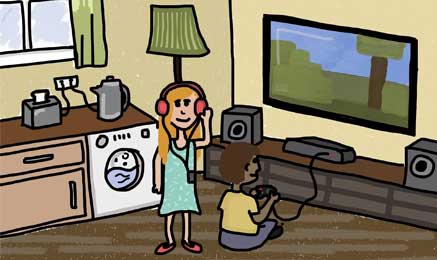 Electricity is a type of energy that helps things work. We cannot see electricity itself, but we can see what it does. For example, electricity can make lights shine, toys move, TVs and tablets turn on, or even make a buzzer sound.
Electricity is all around us. It powers many of the things we use every day, in our homes, schools, and playgrounds. Without electricity, many of the things we use to learn, play, and stay safe would not work.
We use electricity in lots of ways:
- To make lamps and lights shine
- To make toys and games move or make sounds
- To power computers, tablets, and screens
Even though we cannot see electricity, it is very powerful. That is why it is important to always be careful around plugs, sockets, and electrical devices.
Electricity is an important part of our world, and learning how it works helps us use it safely and enjoy the things it powers.
 Switched on kids
All about electricity and how to use it safely.
Electrical devices need power
Electrical devices need power to work. Power gives devices the energy they need to turn on, move, light up, or make sounds. Without power, electrical devices cannot work at all.
There are two main ways devices get electricity: mains electricity and batteries.
Mains electricity
Some devices get electricity by plugging into a socket in the wall. This is called mains electricity. The electricity comes from power stations and travels through wires to our homes and schools.
Devices that use mains electricity usually stay in one place because they need to stay plugged in. We find sockets around our house so we can plug these devices in and make them work.
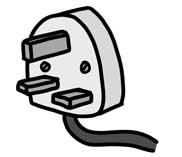 Examples of devices that use mains electricity include:
- Televisions
- Microwaves
- Washing Machines
- Vacuum cleaners
- Computers
Batteries
Some devices use batteries instead of plugging into the wall. Batteries store electricity inside them, so devices can work even when there is no socket nearby.
Battery-powered devices are easy to carry and use anywhere. This makes them portable, which means we can move them around easily.
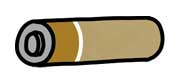 Examples of devices that use batteries include:
- Torches
- Remote controls
- Music players
- Cameras
- Mobile Phones

Turning things on and off
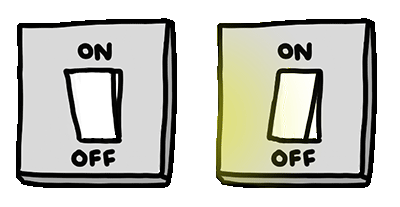 Many electrical devices have a switch. A switch helps us control electricity safely and easily. It lets us choose when a device is on and when it is off.
When the switch is on, electricity can flow into the device. This makes the device work, such as a light shining, a toy moving, or a screen turning on.
When the switch is off, the electricity stops flowing. The device stops working and saves energy.
We use switches every day at home and at school. Light switches, power buttons, and toy switches all do the same job — they turn electricity on and off.
Learning how switches work helps us understand how to use electricity safely and reminds us to turn things off when we are finished using them.
Staying safe around electricity
Electricity is very useful and helps many things work, but it can also be dangerous if it is not used safely. That is why it is important to learn and follow safety rules at home and at school.
If we use electricity carefully, we can stay safe.
Important Electricity Safety Rules
- Never put anything into electrical sockets
Sockets are only for plugs. Putting other objects inside can be very dangerous. Always ask an adult to help with plugs. - Keep wires tidy and out of the way
Loose wires can be dangerous because someone could trip over them or pull a device down. - Keep water away from electricity
Water and electricity do not mix. Never use electrical devices near water. - Always dry your hands before touching switches or plugs
Wet hands can make electricity much more dangerous. - Keep drinks away from electrical devices
Spilt drinks can cause damage and make devices unsafe to use. - Never use electrical devices in the bathroom
Bathrooms have lots of water, which makes electricity unsafe. - Always ask an adult for help
If you are unsure about anything electrical, an adult can help keep you safe.
 BBC Bitesize - Electricity
Find out how we use electricity and keeping safe with these videos.
Also on Super Brainy Beans