
What is a circuit?
A circuit is a path that electricity travels around. Electricity needs a complete loop to work properly. This means the electricity must be able to travel all the way around the circuit and back to where it started.
If there is a gap or break anywhere in the circuit, the electricity cannot flow. When this happens, the device will not work. For example, a bulb will not light or a buzzer will not sound.
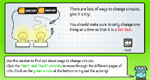 Blobz: Electric Circuits
Learn about circuits then play the game and take the quiz to test what you know.
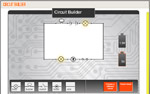 Power up: Circuit Builder
Drag the components to where you want the in the circuit. Choose a battery and explore.
 BBC Bitesize - Circuits
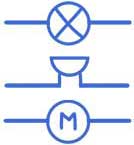
What circuits are and electrical symbols in circuits




Conductors and insulators
Electricity can flow through some materials, but not through others. Knowing the difference helps us understand how circuits work and how to stay safe.
Conductors
A conductor is a material that lets electricity pass through it easily. Conductors are used in circuits to carry electricity from one place to another.
Most metals are good conductors. Examples include:
- copper
- iron
- steel
Wires are usually made from copper because it is a very good conductor of electricity.
Insulators
An insulator is a material that does not let electricity pass through it. Insulators are used to stop electricity from flowing where it shouldn’t.
Examples of good insulators include:
- plastic
- wood
- rubber
- glass
Insulators help keep us safe. For example, electrical wires are covered in plastic so we can touch them safely without getting an electric shock.
Why this is important
Circuits need conductors to allow electricity to flow and insulators to control where the electricity goes. Using the right materials helps electrical devices work properly and safely.
 Circuits and conductors
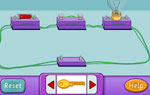
Learn about electricity circuits as you experiment with conductors. Find out what materials conduct electricity better than others.
 Quiz - Electrical conducators and insulators
Take the quiz and test your knowledge on conductors and insulators.
 BBC Bitesize: Conducators and insulators
Some materials let electricity pass through them easily. These materials are known as electrical conductors.

Also on Super Brainy Beans