Environment – Year 1 & 2

Environment for kids

Environment
Year 1 & 2

Environment for kids in Year 1 & 2. Learning KS1 Science at Primary School. Learn about the rubbish & recycling, the seasons, and using Earth's resources.

Pick a level

Seasons

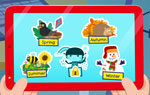
We have different seasons during the year: spring, summer, autumn and winter.

Seasons happen because the Earth is slightly tilted as it travels around the Sun. The Earth is always tilted in the same direction. As it moves around the Sun:

  • When our part of the Earth is tilted towards the Sun, we get more sunlight and longer days. This makes it warmer — this is summer.
  • When our part of the Earth is tilted away from the Sun, we get less sunlight and shorter days. This makes it colder — this is winter.

Spring and autumn are the seasons in between, when the temperature begins to change.

Spring

  • The weather starts to get warmer.
  • Flowers begin to grow.
  • Many animals have babies.
  • Days get longer.

Summer

  • The warmest season.
  • Longest days of the year.
  • Trees are full of green leaves.
  • People often spend more time outside.

Autumn

  • The weather begins to cool down.
  • Leaves change colour and fall.
  • Days get shorter.
  • Animals prepare for winter.

Winter

  • The coldest season.
  • Shortest days of the year.
  • Some trees lose all their leaves.
  • It may snow or frost.

The Earth does not have seasons because it is closer to the Sun in summer. In fact, the Earth is sometimes slightly closer to the Sun during winter in the UK! It is the tilt, not the distance, that causes seasons.
The Earth takes one whole year to travel around the Sun. When it is summer in the UK, it is winter in places like Australia which is the on the other side of the Earth to the UK.
Bitesize - PlantsBBC Bitesize - What are the Seasons?
Learn about the four seasons and the changes they bring.

Easy Science for KidsEasy Science for Kids - Four seasons
Have you ever wondered what causes the seasons? Find out here.

Looking after our environment

Our environment is everything around us — the air, ground, plants, animals, buildings and people. It is our shared home.

When we look after the environment, it stays clean, safe and healthy. A clean environment helps plants grow, keeps animals safe and makes our school and community nicer places to be.

At school, we can help by:

  • Putting rubbish in the bin
  • Looking after plants
  • Not wasting paper
  • Keeping the playground tidy

Small actions make a big difference when everyone joins in.

Litter and why it is a problem

Litter is rubbish that has been dropped on the ground instead of put in a bin.

Litter can:

  • Hurt animals
  • Make places look messy
  • Pollute soil and water

Rain can wash litter into rivers and oceans, where it harms wildlife. Some materials take a very long time to break down.
A plastic bottle can take around 450 years to decompose. Aluminium cans can take about 200 years. That means litter can stay in the environment for longer than many human lifetimes.

Rubbish & Recycling

We produce a lot of waste every day. In the past, much of it was buried in the ground in places called landfill sites. Some rubbish can take hundreds or thousands of years to break down.

Recycling means turning old materials into new products instead of throwing them away.

We can recycle:

  • Paper
  • Cardboard
  • Glass
  • Metal
  • Some plastics

Recycling helps because:

  • It reduces waste
  • It saves energy
  • It protects natural resources
  • It reduces pollution

Recycling can also mean reusing items. Giving away clothes or toys allows someone else to use them. Some people even turn old items into something completely new!
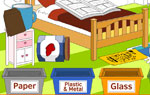
Recycling for kidsRecycling for kids
Explore the amazing world of recycling for kids
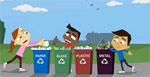
Bitesize - PlantsBBC Bitesize - What is waste?
Learn how about waste and recycling.

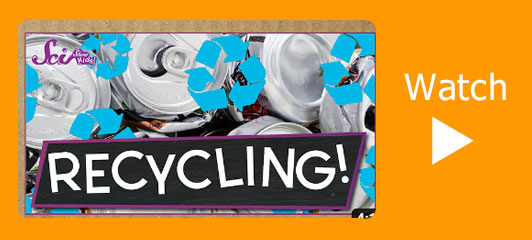
Recycling video

Free online Science games

Saving water

Water is one of the most important resources on Earth. We need it for drinking, washing, cooking and growing food. Plants and animals also need water to survive.

Although Earth has a lot of water, most of it is salty seawater. Only a small amount is fresh water that we can use. That is why it is important not to waste it.

We can save water by:

  • Turning taps off properly
  • Not letting water run while brushing teeth
  • Taking shorter showers
  • Using only the water we need

Saving water also saves energy, because water has to be cleaned and pumped to our homes.

Turning off the tap while brushing your teeth can save 12 litres of water. One big cola bottle holds 2 litres so 12 would be 6 bottles full!

Saving electricity

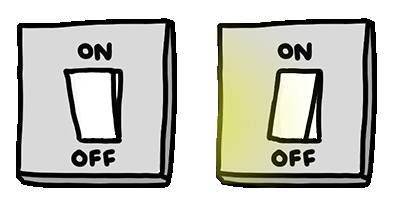
Light switchElectricity powers lights, televisions, computers, fridges and many other appliances in our homes and schools.

Much of our electricity is made in power stations, and some power stations burn fuels that create pollution. By using less electricity, we can help reduce pollution and protect the environment.

We can save electricity by:

  • Turning lights off when leaving a room
  • Switching devices off instead of leaving them on standby
  • Unplugging chargers when they are not in use
  • Using natural daylight when possible

Saving electricity also saves money and helps protect natural resources.

How we can help wildlife

Animals need safe places to live called habitats. These habitats provide food, water, shelter and space.

We can help wildlife by:

  • Not disturbing nests or animal homes
  • Planting flowers for bees and butterflies
  • Keeping parks and gardens clean
  • Leaving wild areas for insects and small animals

Even small gardens or school grounds can become important habitats.

Reduce, Reuse, Recycle

Reduce, Reuse, Recycle are three simple actions that help protect our planet. They remind us to think carefully about what we use and what we throw away.

Reduce

To reduce means to use less in the first place. If we use less, we create less waste.

We can reduce by:

  • Turning off lights when we leave a room
  • Using both sides of paper
  • Taking only the food we will eat
  • Bringing a reusable water bottle

When we reduce what we use, we save energy, water and natural resources.

Reuse

To reuse means to use something more than once instead of throwing it away.

We can reuse by:

  • Using a lunchbox instead of disposable bags
  • Turning jars into plant pots
  • Passing on clothes and toys to someone else
  • Using scrap paper for drawing

Reusing helps stop useful items from becoming waste too quickly.

Recycle

To recycle means turning old materials into new products.

Items such as:

  • Paper
  • Glass
  • Metal
  • Some plastics

can be collected, processed and made into new things.

Recycling helps reduce landfill, save energy and protect the environment.

Why it matters

When we reduce, reuse and recycle, we:

  • Create less waste
  • Protect wildlife
  • Save natural resources
  • Help keep our planet clean and healthy

Even small choices each day can make a big difference.

Also on Super Brainy Beans

Plants & Animals Earth & Space Light & Sound Human Body Water Cycle Vikings