What is a force?
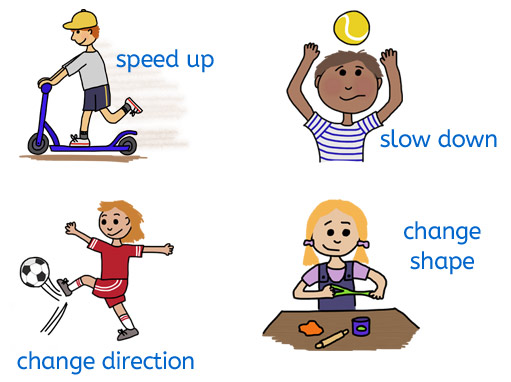 A force is a push or a pull. Forces can make objects speed up, slow down, change direction or change shape.
We use forces every day, even when we do not realise it. When you open a door, you use a force. When you kick a ball, you use a force. When you pull on your socks, you use a force.
Forces can make objects:
- start moving
- stop moving
- go faster
- go slower
- change direction
- change shape
 What is a force?
Watch a video on forces and see what they are and what they can do.
 Push & Pull Blocks
Push and pull the blocks.
Making things move
Forces help things start moving, keep moving and stop moving. When you kick a ball, it starts to move. When you push a toy car, it keeps moving. When you catch a ball or hold it still, it stops moving. Forces are what make objects move or stop in the first place.
If you stop pushing a swing, it will slow down and then stop. This is because the force has stopped. The swing needs a push to keep it moving. Without a force, things cannot keep going forever.
Forces can also make things go faster or slower. A big push can make something move quickly, while a small push can make it move slowly. Every time you move, play or explore, you are using forces.
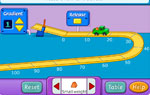 Forces in action
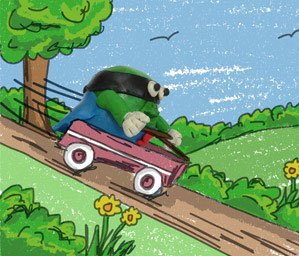
Learn about forces in action as you experiment how gradients, weights and resistance affect the movement of various objects.
Start, stop and change direction
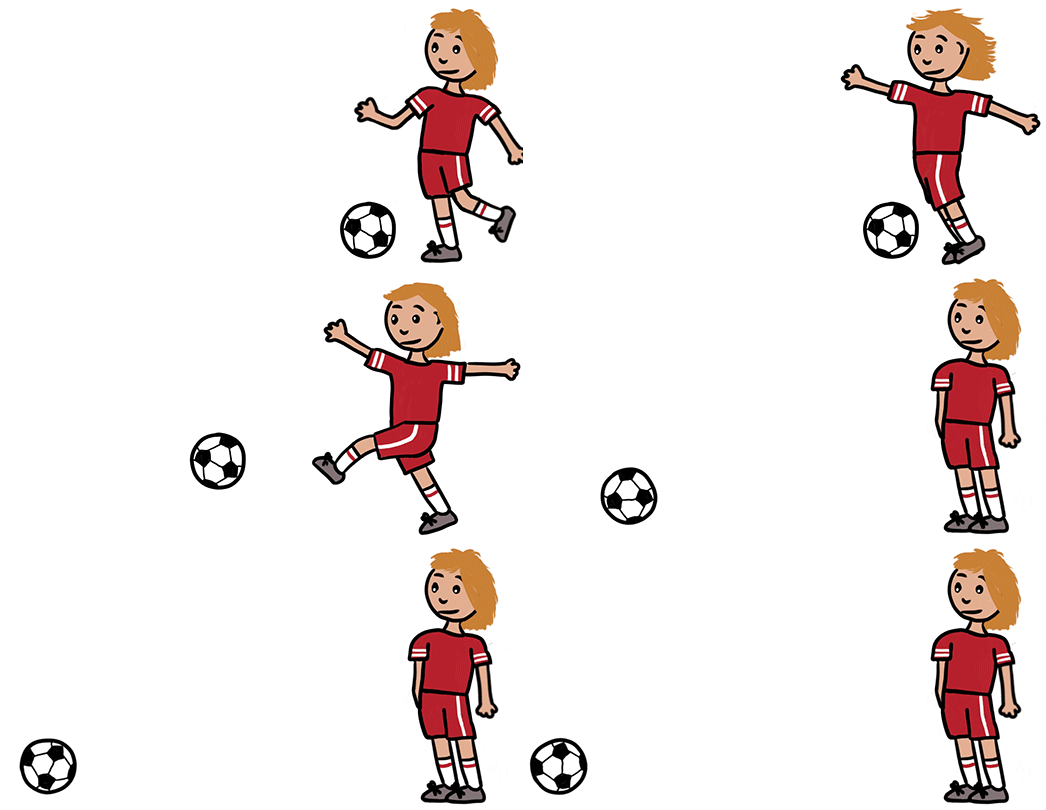 Forces can make things start moving, stop moving and change direction. When you push or pull an object, you are using a force to make something happen. Forces help objects begin to move, help them slow down, and help them stop.
When you catch a ball, you use a force to stop it. The ball was moving, and your hands use a force to make it stop. When you hit or kick a ball, you use a force to change its direction. This means you make it go a different way. The ball might go left, right, up or down depending on how you hit it.
Forces are always at work when things move and change. Every time you play, run, throw or catch, you are using forces to start, stop or change the way something is moving.
Roll a ball across the floor and watch it move. Now put your hand in front of it. The ball will stop or change direction because of the force from your hand.

Fast and slow
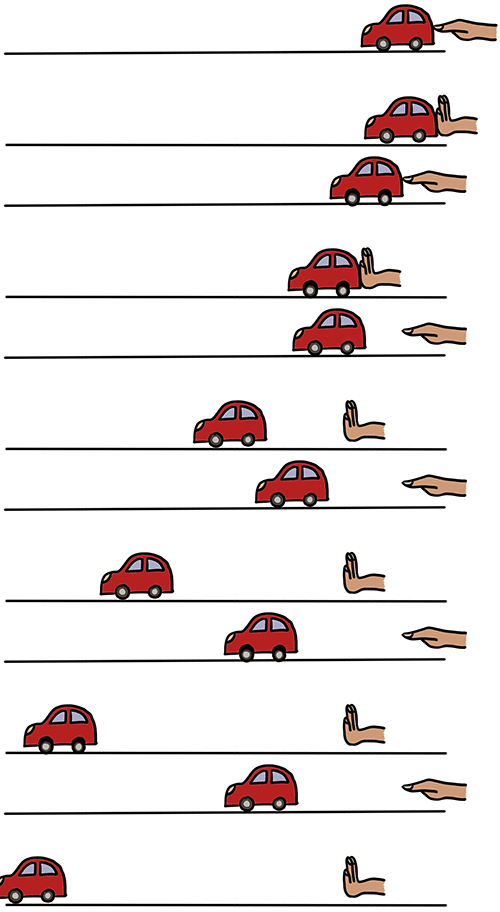 Forces can make things move fast or slow. When you give something a big push, it can move very fast. When you give something a small push, it will move more slowly. The size of the force you use can change how quickly something moves.
The harder you push, the faster an object can go. The gentler you push, the slower it will move. This is why a football kicked hard travels quickly, and a ball rolled gently moves slowly along the floor.
A strong push can move a heavy box. A gentle push can move a feather.
Every time you play, run or move toys, you are changing how fast or slow things go by using different forces. You are using science without even knowing it!
Push it
- Push a toy gently across the floor and watch how far it goes.
- Then push it harder and see what happens. Which push makes the toy go further?
- Try with heavy toys and light toys. Which one goes further with the same push?
Squash it, stretch it, twist it, bend it!
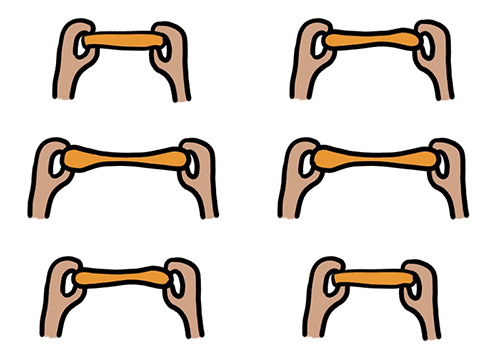 Forces can change the shape of things. When you push, pull, twist or press an object, you are using a force that can make it look different. The shape changes because the force is acting on it.
You can squash playdough, stretch elastic, twist a cloth and bend a pipe cleaner. Each time you do this, the force from your hands changes the shape of the object. A sponge squashes, a rubber band stretches and paper bends. These are all examples of forces at work.
Some objects go back to their original shape after you let go. A sponge will spring back and elastic will shrink again. Other objects do not go back to their old shape. If you bend paper or squash clay, it may stay that way. This is because different materials behave in different ways when forces are used.
Forces are what help us mould, shape and change things. When you play with toys, build models or make things, you are using forces to change their shape.
Squash it
- Squash a sponge in your hand and then let go. Watch what happens. Does it go back to its old shape?
- Try some other objects like playdough, paper, material do they all go back to the same shape when you let go?
Good scientists like to ask questions:
- What happens if I push harder?
- What happens if I change the shape?
Try things out and see what happens.
Always ask an adult before trying experiments.
Also on Super Brainy Beans