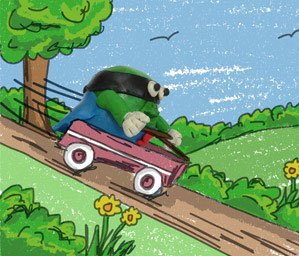
What is gravity?
Gravity is a force that pulls objects towards each other. On Earth, gravity pulls everything downwards toward the ground. It is the reason we stay on the ground and do not float away when we jump. Even though we cannot see gravity, we can see its effects all around us every day.
Every object has gravity, but the bigger the object, the stronger its pull. The Earth is very big, so its gravity is very strong. This is why everything on Earth is pulled toward it.
The pull of the earth
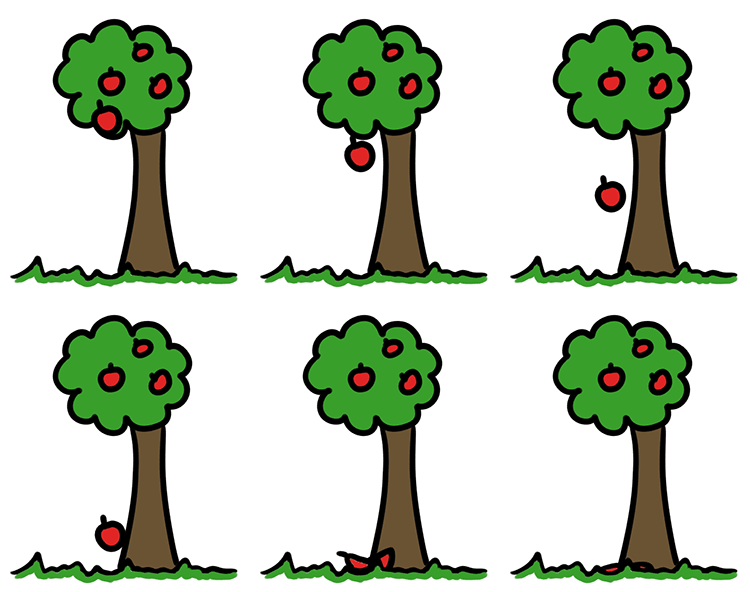 The Earth’s gravity pulls all objects toward its centre. This is why things fall straight down when you drop them. An object does not need to be heavy for gravity to work on it. A feather, a ball, a leaf or a pencil are all pulled down by gravity in the same way.
When an object is unsupported, it means nothing is holding it up. As soon as it is unsupported, gravity pulls it toward the ground.
Try this: Hold a small toy above the floor and let it go. Watch how it falls straight down. This is the pull of gravity at work.
Why things fall down
Objects fall because gravity is always pulling them down. If gravity did not exist, objects would float or keep moving in the direction they were pushed. Gravity is what brings everything back to the ground.
In space, astronauts float because they are in a place called microgravity. This means the pull of Earth’s gravity is much weaker, so they are not pulled down in the same way. This shows just how important gravity is in our everyday lives.
Resistive forces: Air resistance, water resistance and friction
Some forces are called resistive forces. This means they work against movement. Instead of helping objects move, they slow them down or make them harder to move. The main resistive forces we learn about are friction, air resistance and water resistance.
Resistive forces are always at work when something is moving. They help control speed, but they can also make movement harder. Without resistive forces, things would keep moving for much longer and would be difficult to stop.
Understanding friction
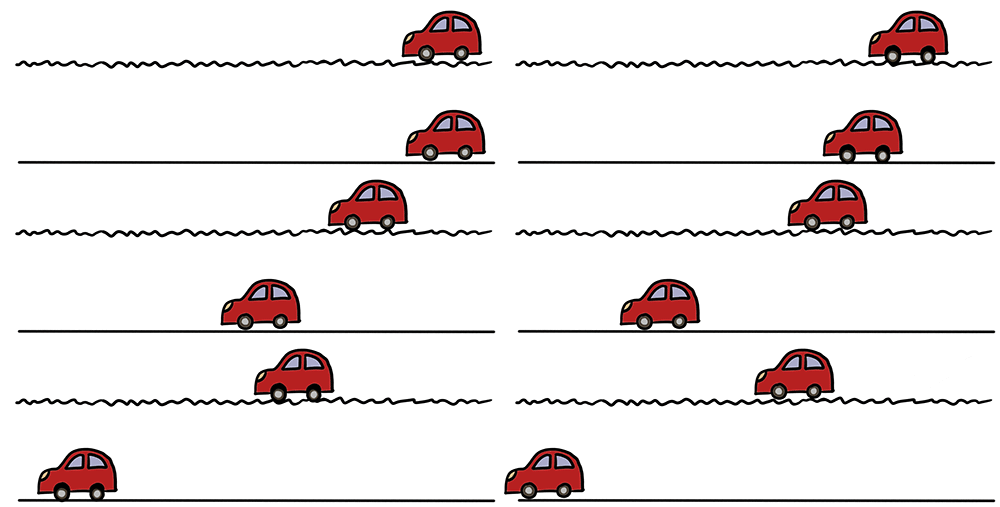 Friction is a force that happens when two surfaces rub against each other. It works in the opposite direction to movement, which means it slows objects down. The rougher the surfaces are, the more friction there is. The smoother the surfaces are, the less friction there is.
For example, a toy car will roll easily on a smooth floor but will slow down quickly on a rough carpet. This is because the carpet creates more friction than the smooth floor. Friction is also why your shoes grip the ground and why brakes can stop a bike or car.
The type of surface makes a big difference. Rough surfaces create more friction and slow objects down. Smooth or slippery surfaces create less friction and let objects move more easily. Engineers use this knowledge when designing slides, roads, tyres and machines to make them safe and efficient.
 Surfaces and friction
Learn about friction as you experiment how the movement of vehicles responds to different surfaces and levels of resistance.
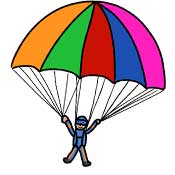
Air Resistance - Pushing against the air
Air resistance is a type of friction that acts on objects moving through the air. As an object moves, the air pushes back against it. This push is air resistance, and it makes the object slow down.
Air resistance is why a feather falls more slowly than a stone. It is also why parachutes work. A parachute has a large surface area that catches lots of air, increasing air resistance and slowing the person’s fall. Without air resistance, everything would fall much faster.
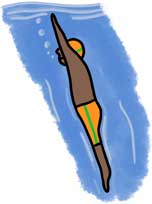
Water Resistance - Moving through water
Water resistance happens when an object moves through water. Just like air resistance, the water pushes back against the object, making it harder to move. Water is thicker than air, so water resistance is usually stronger than air resistance.
This is why it is harder to run in a swimming pool than on land. Swimmers, boats and submarines all have to push against water resistance. The faster they try to move, the more water resistance they feel.
Streamlined or not?
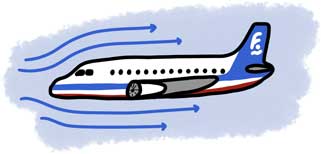 Objects that are streamlined move more easily through air or water. Streamlined shapes are smooth and curved, which helps them cut through air or water with less resistance. This means they can move faster and use less energy.
Fish, birds, dolphins, racing cars and aeroplanes are all streamlined. Their shapes help reduce air or water resistance so they can travel quickly and efficiently. Designers and engineers carefully shape vehicles and equipment to reduce resistance and improve performance.
Why resistive forces matter
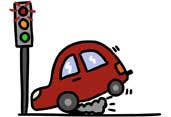 Resistive forces are not always bad. They help us slow down, stop and stay safe. Friction stops us from slipping. Air resistance slows falling objects. Water resistance helps swimmers stay afloat. Without resistive forces, the world would be very dangerous and difficult to control.
Understanding resistive forces helps us design safer roads, better sports equipment, faster vehicles and stronger machines. They are an important part of how the world works.

Mechanisms: Levers, pulleys and gears
Sometimes objects are too heavy, too large or too awkward to move using just our muscles. This is when we use mechanisms to help us. Mechanisms such as levers, pulleys and gears are also called simple machines. They help us do work more easily by changing the size or direction of a force.
These mechanisms allow a small force to have a greater effect. This means you can move or lift something heavy without using lots of strength. Engineers and inventors use simple machines to save energy, reduce effort and make jobs safer. You can find these mechanisms in cranes, bikes, tools, playground equipment and many everyday objects.
Levers - Lifting with less effort
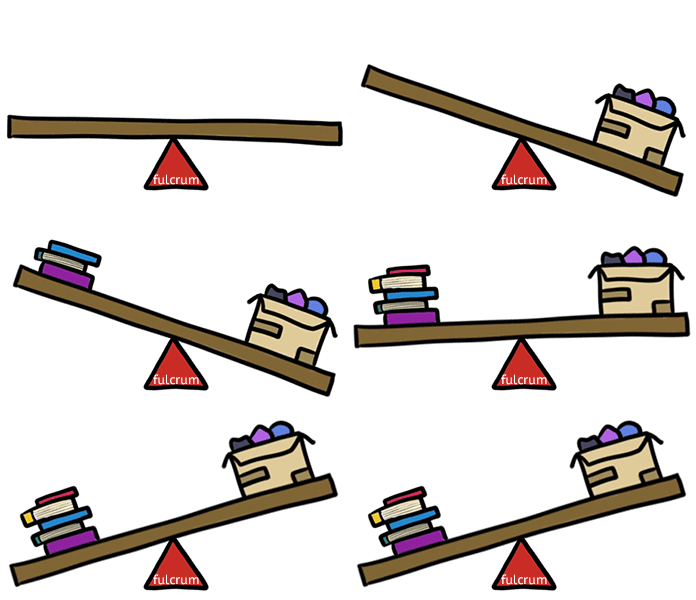 A lever is a rigid bar that moves around a fixed point called a fulcrum. When you push down on one end of the lever, the other end moves up. Levers help you lift or move heavy objects using less effort than you would need without them.
A seesaw is a good example of a lever. A crowbar, bottle opener and scissors are also levers. The position of the fulcrum is very important. If the fulcrum is closer to the heavy object, it is easier to lift. This is because the lever gives you a mechanical advantage.
By changing where you place the fulcrum, you can change how much force is needed. A long lever with the fulcrum close to the load makes lifting much easier.
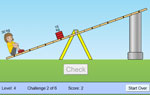 Balancing Act
Predict how objects of various masses can be used to make a plank balance. Predict how changing the positions of the masses on the plank will affect the motion of the plank.
Pulleys - Lifting by pulling
A pulley is a wheel with a rope, chain or belt running over it. Pulleys are used to lift objects or change the direction of a force. Instead of lifting something straight up, you can pull down on the rope to lift it. Pulling down is often easier than lifting up.
Pulleys are used in cranes, lifts, flagpoles, blinds and wells. Some pulleys use more than one wheel. These are called pulley systems. The more wheels in the system, the easier it is to lift heavy objects, because the weight is shared.
Pulleys allow people to lift very heavy loads with much less effort. This is especially important on building sites and in factories.
Gears - Turning and changing speed
Gears are wheels with teeth that fit together. When one gear turns, it makes the other gear turn too. Gears can change the speed, direction or strength of a movement.
Bicycles use gears to make pedalling easier or faster. In low gears, it is easier to pedal uphill. In high gears, you can go faster on flat ground. Gears are also found in clocks, cars, drills and washing machines.
Small gears can make bigger gears turn slowly with more force. Big gears can make small gears turn quickly. This helps machines work in the best way for the job they need to do.
Also on Super Brainy Beans