

What is voltage?
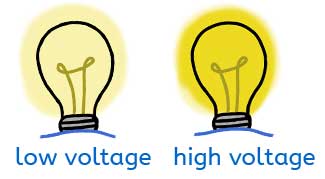 Voltage describes how much energy electricity has as it moves around a circuit. It tells us how powerful the electrical push is inside the wires.
Circuits with different voltages can behave in different ways. A higher voltage can make electrical components work more strongly, while a lower voltage produces a weaker effect. This helps scientists explain why two circuits that look similar do not always work in the same way.
Voltage is measured in volts (V), but in primary school, the focus is on understanding what voltage means and how it affects a circuit, rather than measuring or calculating it.
Understanding voltage helps us predict what might happen when a circuit is changed.
The power of cells
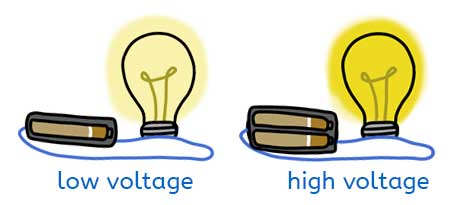 Cells (batteries) are one way to change the voltage in a circuit. Each cell adds more energy, so using more cells increases the voltage.
When the voltage increases:
- a bulb becomes brighter
- a buzzer becomes louder
A circuit with only one cell has less energy, so the effect is smaller. Adding a second or third cell makes a noticeable difference to how the circuit works.
Scientists test this by building circuits with different numbers of cells and carefully comparing the results. To keep the test fair, they change only one thing at a time and observe what happens.
This helps scientists understand how electrical devices are designed to work safely and effectively.
Changing cells
- Build a simple circuit with one cell and a bulb. If you don't have a circuit kit of your own use this website.
- Observe how bright the bulb is.
- Then add another cell and compare the brightness.
- What changes do you notice? Can you explain why this happens?
Understanding how cells affect a circuit helps scientists design electrical devices that work safely and efficiently.
 Circuit simulator
Explore series and parallel circuits, test ideas and build your own virtual circuits.
Comparing circuits and components
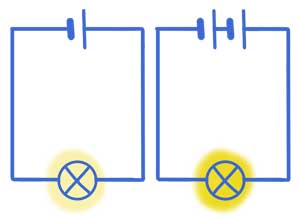 Two circuits can look very similar but work in different ways. Even small changes can make a big difference to how a circuit behaves. Adding an extra cell, changing a component or adjusting a switch can change how electricity moves around the circuit.
Different components affect circuits in different ways. For example, bulbs can shine with different levels of brightness, buzzers can produce sounds that are louder or quieter, and switches control when electricity is allowed to flow. Each part has a specific job, and changing one part can affect the whole circuit.
Scientists compare circuits carefully to understand these differences. They build circuits, test them and collect evidence about what happens. To make fair comparisons, they change only one thing at a time and observe how it affects the result.
By comparing circuits and components, scientists can explain why electrical devices work as they do and how to make them work better and more safely.
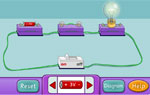 Electric Circuits Game
Learn about electricity circuits as you experiment with batteries, voltages and light bulbs. Wire them in different ways for surprising outcomes.
Switches
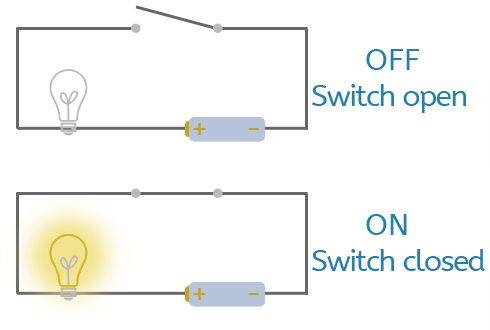
Switches are used to control circuits safely and easily. They allow us to choose when electricity flows and when it stops. Switches are found in homes, machines and technology all around us, such as light switches, toys, appliances and electronic devices.
In a circuit, a switch works by breaking or completing the path that electricity travels around. This gives us control over the circuit without needing to touch the wires or batteries.
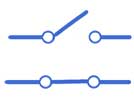
A switch breaks the flow of electricity when it is off (open). Opening the switch creates a gap in the circuit so electricity cannot flow.
Closing a switch, (on), completes the circuit. This allows electricity to flow all the way around the circuit, so bulbs light up, or buzzers sound.
Switches help make electrical devices safer, more useful and easier to control. By understanding how switches work, scientists and engineers can design circuits that turn on and off exactly when needed.


Building circuits
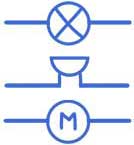
Building circuits helps scientists understand how electricity works. By connecting different components and testing what happens, we can learn how circuits behave and how changes affect them.
When building circuits, scientists:
- connect components carefully so electricity can flow
- test whether the circuit works as expected
- identify and fix problems if it does not work
This process requires patience, problem-solving and careful thinking. Scientists often test their ideas many times before getting a circuit to work correctly.
You can explore circuits safely using online circuit-building games. These let you add bulbs, buzzers, switches and batteries to see what happens. Try changing the number of components or adding more cells and observe how the circuit changes.
Circuit simulatorExplore series and parallel circuits, test ideas and build your own virtual circuits.
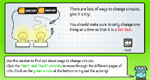 Blobz: Electic Circuits
Learn about circuits, then play the game and take the quiz to test what you know.
 Crack the circuit
In this electrical circuit game, use batteries, bulbs and switches to solve the mystery circuit. Learn about series, parallel, short circuits and more.
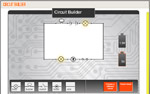 Power up: Circuit Builder
Drag the components to where you want them in the circuit. Choose a battery and explore.


Where does electricity come from?
Electricity does not appear by itself. It has to be made. Most of the electricity we use is produced in power stations using special machines called generators.
A generator makes electricity by turning energy from one form into electrical energy. When the generator spins, it creates an electric current that can travel through wires.
Energy sources that make electricity
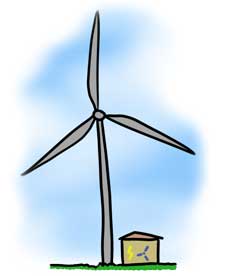 Generators need energy to make them turn. This energy can come from different sources, including:
- Gas, coal or oil – these fuels are burned to create heat, which makes machines spin
- Wind – wind turbines turn when the wind blows
- Solar power – sunlight is changed into electricity using solar panels
- Water – flowing or falling water turns turbines in dams or rivers
Each of these sources provides the energy needed to keep the generator moving.
From power station to plug socket
Once electricity is made, it travels along cables and power lines to reach homes, schools, shops and other buildings. From there, it can be used to power lights, computers, televisions and many other devices we use every day.
Electricity must be produced all the time because it cannot easily be stored in large amounts. This is why power stations are always working to meet our needs.
 BBC Bitesize - What is electricity?
Electricity is created by generators which can be powered by gas, coal, oil, wind or solar.
Also on Super Brainy Beans