Times Tables
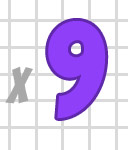
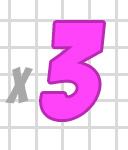
In Year 3 you should learn the 11 times tables, 9 times tables, 3 times tables, 4 times tables.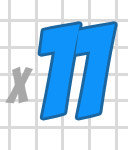

Multiplication and division facts
Multiplication is the reverse of division. This means you can rearrange the numbers from a multiplication sum to make a division sum.

How to calculate sums with one zero.
Work out: 5 x 10

How to calculate sums with two zeros.
Work out: 20 x 30

How to calculate sums with even more zeros.
Work out: 60 x 1000

1) Break up the 42 and add it to the grid. Put the 5 on the side.
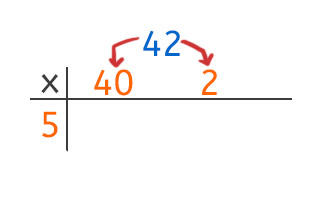
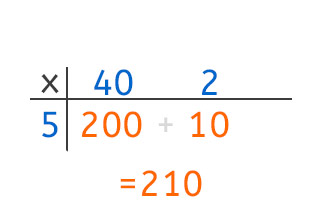
2) Work out the sums 40 x 5 and 2 x 5. Then add the answers together.
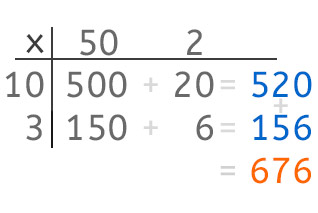
1) Break up the 52 and add it to the top. Break up the 13 and add it to the side.
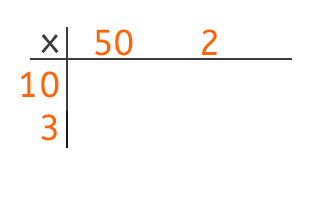
2) Work out the sums 50 x 10, 2 x 10, 50 x 3, 2 x 3.
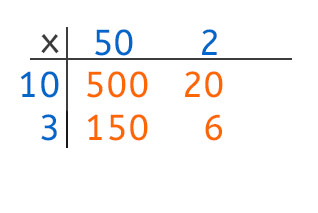
3) Add up the rows.
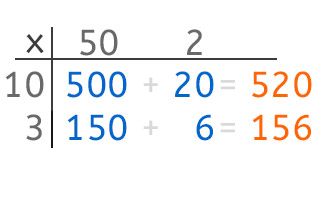
4) Add up the two totals to get the answer to 52 x 13.
Column multiplication
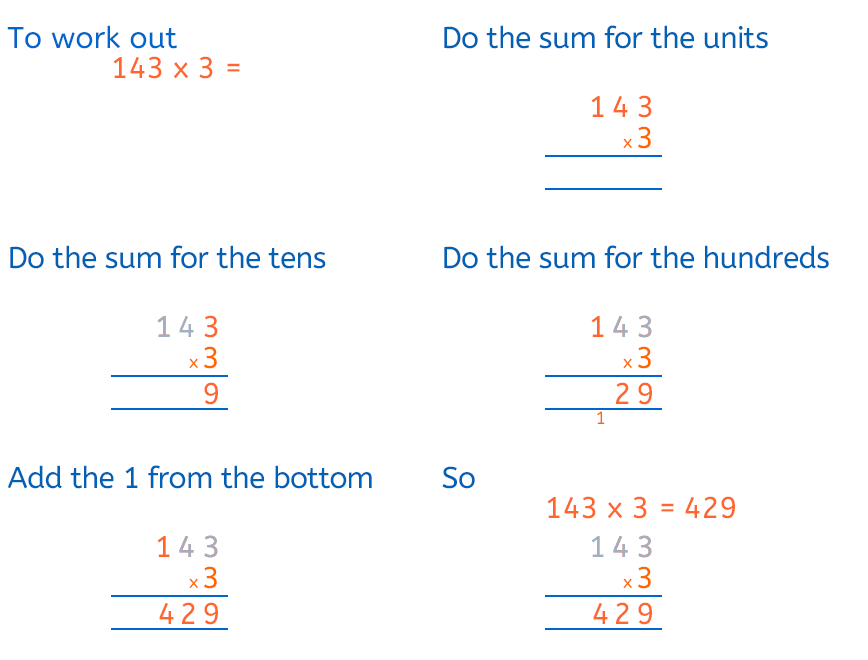
Once you feel happy with the grid method, you can try column multiplication. This is a fast, written method where you stack your numbers neatly in columns.
Work out: 143 x 3
Multiplying three numbers together
Did you know you can multiply three numbers at once? Multiply the first two numbers together, then multiply that answer by the third number.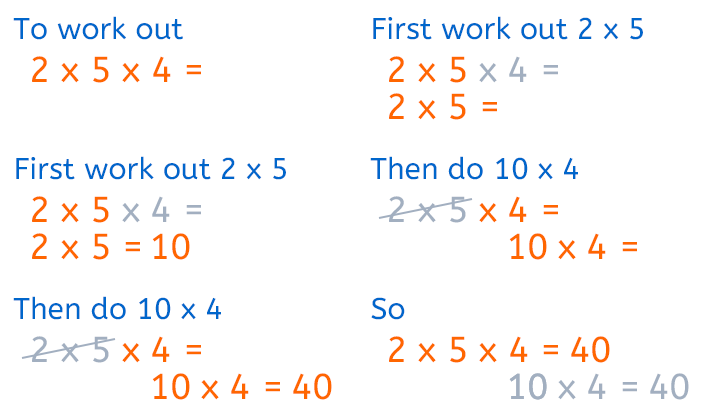
Using multiplication boxes
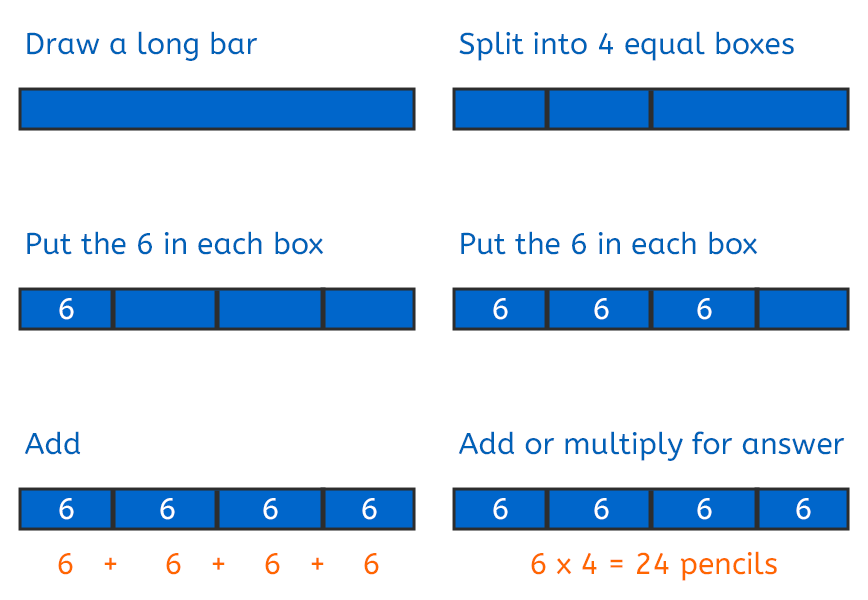
Multiplication boxes (or bar models) are great for word problems. Draw a long bar split into equal parts to help you see what calculation you need to do.A pack has 6 pencils. How many pencils are in 4 packs?
 Multiplication.com
Use these games to practice your times table skills.
 Fun 4 the brain
Use these games to practice your multiplication skills.

Also on Super Brainy Beans